
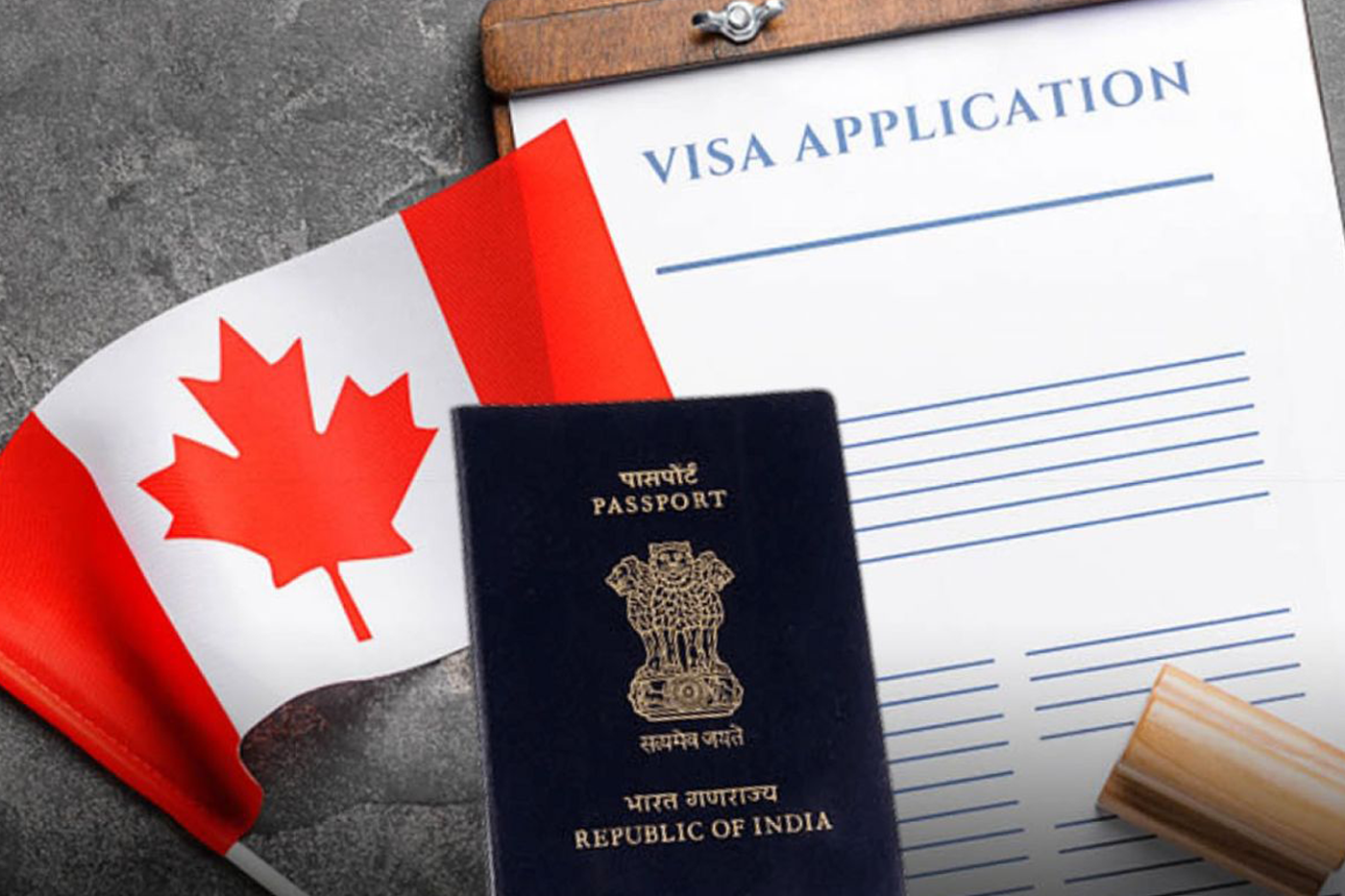
Canadian citizenship privileges are among the most generous of any country in the world, offering open borders, outstanding health care and social benefits and programs.
Canada is consistently ranked among the best countries to live in, and it’s not hard to see why. Every year, hundreds of thousands of immigrants go through the naturalization process with one goal in mind — to unlock the full spectrum of Canadian citizenship privileges. But what exactly does holding a Canadian passport entitle you to? This blog breaks down every key benefit so you know exactly what you’re working toward.
Here are the Key Canadian Citizenship Privileges
A strong sense of citizenship rights and privileges awaits those who make Canada their home. Here are a few Canadian citizenship privileges that make becoming a Canadian so attractive.
1. Freedom to Travel with a Canadian Passport
The ability to obtain a Canadian passport – one of the most powerful and widely recognised in the world – is one of the most visible and thrilling Canadian citizenship privileges. If you hold a Canadian passport, you can travel to more than 185 countries without needing to apply for a visa, or after obtaining a visa on arrival: the United States, United Kingdom, all countries in the Schengen Area, Japan, Australia and many more.
Such ease of travel is a boon for international professionals, entrepreneurs and families. This is something permanent residents cannot do; they require visas for many of these countries.
2. Voting and Standing for Election
One of the core rights of citizenship is the right to participate in the democratic process. With Canadian citizenship, you acquire the right to vote in federal, provincial and local elections and you are also eligible to hold public office at any level of government.
It’s a responsibility but it’s not mandatory as such that impacts the country. Even permanent residents, no matter how long they have lived in Canada, have no right to vote – a key difference between residency and citizenship.
3. Social Services and Healthcare
Canadian citizenship is entwined into the broader social context of life. Canadian citizens have access to the publicly funded medical system that provides coverage for medically necessary hospital services, doctor visits and more – all free at the time of service.
4. Right of Residence
This is one of the least appreciated benefits of Canadian citizenship. With citizenship, you can say that you are living in Canada forever. Residents, on the other hand, have to satisfy residency requirements and can, in some circumstances, lose their residency and face expulsion.
When you become a citizen, you can stay away from Canada for as long as you want without losing citizenship. You can never be extradited to a country where you risk persecution.
5. Dual Citizenship
Canada confirms dual citizenship and one of the most freeing Canadian citizenship rights is the right not to give up your citizenship in order to become a Canadian (subject to the laws of your country of origin). It ensures you can retain your cultural, family and professional connections to your country of origin, while enjoying the benefits of Canadian citizenship.
6. Sponsoring Family Members
Perhaps one of the most cherished citizenship benefits is the opportunity to sponsor relatives for permanent resident status. Permanent residents can sponsor some family members, but citizens can sponsor more, including dependent children born outside Canada, have access to the Parents and Grandparents Program (PGP) and Super Visas for extended family visits.
Canadian immigration policy emphasises family reunification and citizenship facilitates it.
7. First Access to Some Government Positions
Certain jobs in the federal public service and security departments require Canadian citizenship.iThis is a somewhat job-focused Canadian citizenship benefit – it allows for access to work in national security and intelligence, border security, and in high positions within the federal government that remain off the table for non-citizens.
This is a major incentive for ambitious people seeking to pursue a career in public service to naturalize.
8. Benefits to Children Born Outside of Canada
When a child is born abroad to one or both Canadian citizen parents, that child will usually become a Canadian citizen as soon as they’re born.This ancestral citizenship of Canadian citizens reinforces the rights of your children (even if they are born overseas while you are living there) to enjoy all the benefits, rights, and privileges of citizenship from birth.
Final Thoughts
The Canada citizenship perks highlighted above are more than just administrative formality, they are the basis of the good life, with its security, liberty and opportunity. From the unbeatable power of the Canadian passport to the golden safety net of universal health care, from political rights to the priceless peace of mind afforded by permanent security of tenure, the Canada citizenship benefits make all the difference.
Maybe you’re just starting the immigration process or you’re only one step away from the citizenship test, but knowing what lies ahead is a great motivator.
Residence in Canada is more than a place to live – it is also a place to call home. And for those fortunate enough to receive them, Canadian citizenship privileges are a collection of lifelong benefits.
FAQs
Q1. What are the benefits of becoming a citizen of Canada?
The most important are a strong passport (with visa-free entry to 185+ countries), the right to vote, access to health care and social benefits, and immunity from deportation, and recognition of dual citizenship.
Q2. Can a Canadian citizen be deported?
No. Canadian citizens can’t be deported. They have unconditional residency rights and are protected no matter how long they have left the country.
Q3. Can I have dual citizenship?
Dual citizenship is permitted in Canada. Canadian citizenship allows you to be a dual citizen, and obtain a Canadian passport, provided your other country allows this as well.
Q4. Are the rights for citizens different to permanent residents?
Citizens become eligible to vote, hold a “first-class” Canadian passport, have the right to stay, work for the Canadian government, are able to sponsor a greater number of family members, and don’t have to meet the residency requirements to maintain status.
Q5. Do the children of citizens get citizenship?
In most cases, yes. Children of Canadians born outside of Canada are automatically given citizenship and therefore have all of the rights and benefits from the time of their birth.